How to Choose Hotel Outdoor Seating for Guest Comfort?
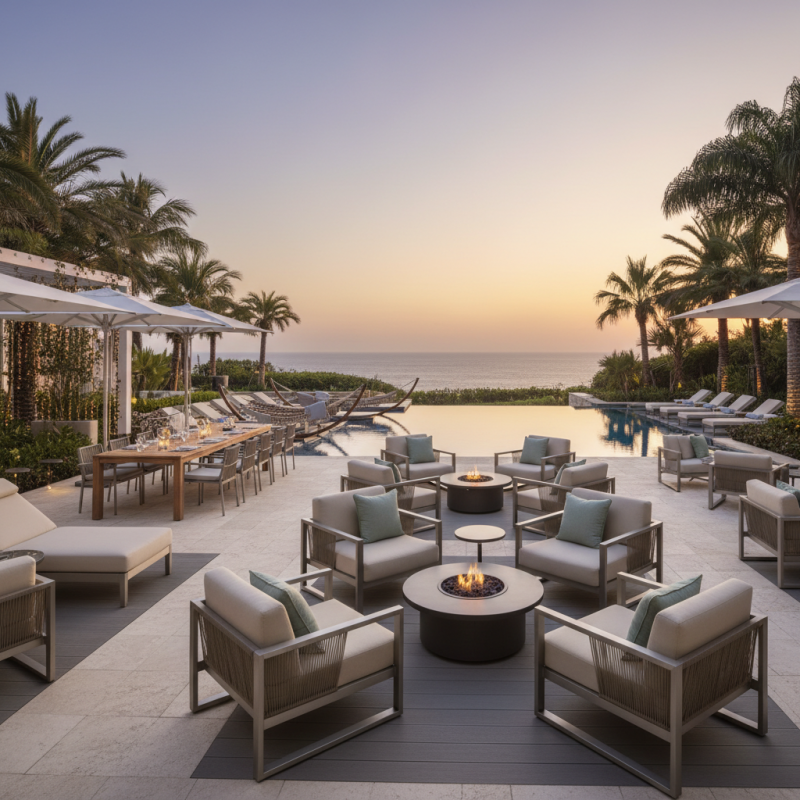
Choosing the right Hotel Outdoor Seating is crucial for enhancing guest comfort. It reflects a hotel's commitment to providing a memorable experience. Thoughtful seating can create inviting spaces for relaxation and socialization.
When selecting outdoor furniture, consider durability and weather resistance. Quality materials such as aluminum and teak offer longevity. However, balance aesthetics with comfort. An attractive design may not always prioritize guest needs.
Additionally, aesthetically pleasing arrangements can influence guest perceptions. The choice between lounge chairs, dining sets, or hammocks can greatly impact the atmosphere. Striking the right balance between style and functionality is essential. Achieving this can sometimes feel overwhelming, as each option has its pros and cons.
Assessing the Importance of Outdoor Seating in Hotel Guest Experience
Outdoor seating plays a crucial role in enhancing the guest experience at hotels. The right seating can transform a simple outdoor area into a comfortable, inviting space. Guests seek relaxation, social interaction, and scenic views. They enjoy sipping beverages while breathing in fresh air. Therefore, thoughtful design choices are essential.
Comfort is paramount. Chairs should provide adequate support. Tables need to be the right height. Materials must withstand weather fluctuations without compromising aesthetics. Umbrellas or shade structures are vital for sun protection. These elements contribute to a cozy atmosphere, inviting guests to linger. Striking the perfect balance between style and functionality is challenging.
Consider the layout carefully. An overly crowded area can feel uncomfortable. Spaces should promote conversation. Pathways should be clear for ease of movement. Some guests might feel isolated if seating is too far apart. Gathering spots can foster community but may also disrupt tranquility. Reflecting on these details can lead to improved outdoor seating arrangements.
Understanding Different Types of Outdoor Seating Options Available
Choosing the right outdoor seating for hotels is essential for guest comfort. Various seating options can significantly affect their experience. Research shows that 72% of hotel guests prefer outdoor spaces for relaxation and socializing. Therefore, understanding these options is vital.
Chairs, lounges, and benches are popular choices. For instance, patio chairs with ergonomic designs provide support. The height and material matter for comfort. A study by the American Hotel and Lodging Educational Institute indicates that lightweight, weather-resistant materials help retain seating appeal over time. Many hotels opt for versatile seating, allowing easy rearrangement for events.
However, not all outdoor seating is ideal. Some designs may look appealing but can be uncomfortable after prolonged use. Feedback from guests often highlights the importance of cushions in enhancing comfort. Additionally, the arrangement of seating can impact the atmosphere. Several hotels struggle to find a balance between aesthetics and functionality. Ultimately, understanding these factors can help in creating a relaxation-friendly environment for guests.
How to Choose Hotel Outdoor Seating for Guest Comfort?
| Seating Type | Material | Comfort Level | Durability | Maintenance |
| Lounge Chairs | Aluminum, Fabric | High | High | Low |
| Dining Sets | Wood, Wicker | Medium | Medium | Medium |
| Benches | Metal, Concrete | Low | High | High |
| Recliners | Plastic, Resin | High | Medium | Low |
| Umbrella Tables | Wood, Aluminum | Medium | Medium | Medium |
Evaluating Materials for Durability and Comfort in Outdoor Furniture
Choosing the right outdoor materials is crucial for ensuring guest comfort and satisfaction. Studies show that around 70% of guests prioritize comfort when selecting hotel accommodations. When evaluating materials for outdoor furniture, durability should be a primary focus. For instance, aluminum frames resist rust and corrosion, making them ideal for various climates. They are lightweight and easy to move, yet sturdy enough to withstand outdoor conditions.
Wooden furniture can offer warmth and charm but requires regular maintenance. Teak is a popular choice due to its natural oils that protect against moisture and pests. However, it may need annual treatments to maintain appearance and durability. On the other hand, synthetic wicker is a durable alternative; it resists fading and is easy to clean. Ensuring these materials promote a comfortable experience is essential, as guests may spend significant time outdoors.
A 2021 report by the International Hospitality Institute found that hotels offering comfortable outdoor seating observed a 25% increase in customer satisfaction ratings. This highlights the importance of selecting the right materials. While perfecting outdoor comfort is admirable, the balance between aesthetic appeal and functionality may pose challenges. Reflecting on these aspects can lead to improvements in guest experiences.
Designing for Climate: Temperature and Weather Considerations in Seating
When designing outdoor seating for hotels, climate plays a crucial role. The temperature and weather conditions directly affect guest comfort. For instance, in hot regions, shade becomes essential. Consider canopies or umbrellas that block direct sunlight. This will keep seating areas cool and inviting for guests.
Choosing materials is also vital. Sun-resistant fabrics can prevent fading and wear. Wooden furniture should be treated to withstand moisture and heat. Incorporating breathable cushions offers comfort during warm days. However, keep in mind that heavy materials may be difficult to rearrange for different settings. Make it easy for staff to adapt the space as needed.
ventilation is another aspect to ponder. Open designs allow air to circulate. Consider the placement of seating in relation to natural breezes. However, windy areas might necessitate heavier furniture to prevent damage. Observing the local climate over time can help refine these choices. Each season can bring new challenges, requiring ongoing adjustments to optimize guest experience.
Incorporating Aesthetics and Functionality in Outdoor Seating Spaces
Choosing the right outdoor seating for hotels is vital for guest comfort. A blend of aesthetics and functionality enhances the overall experience. When designing these spaces, consider how the seating arrangements affect the ambiance. Pair colors and materials that align with your hotel's theme. For example, natural wood tones create a warm and inviting atmosphere.
Tips: Focus on comfort. Use cushions that are easy to maintain and weather-resistant. They can elevate the seating experience and encourage guests to linger longer.
Incorporating greenery can add to the aesthetics too. Plants or vertical gardens can improve the setting. They also offer a sense of privacy, making the space feel more intimate. Guests appreciate an escape from their routine, and a well-thought-out outdoor seating area can achieve that while being functional.
Remember to test various layouts. What looks good on paper may not work in practice. Take time to reflect on how the space feels. You want your guests to find it appealing and comforting. A little experimentation can lead to surprising discoveries that enhance the overall outdoor experience.