Blog

What's New

Get the latest furniture trends for less at Furniture World Saskatoon

Find new and amazing products that we feature every month from the world’s finest furniture makers and the Canadian furniture industry’s cream of the crop. Get in touch with us for complete information about products slated for launching at our store.

How to Choose the Best Charcuterie Board Set?

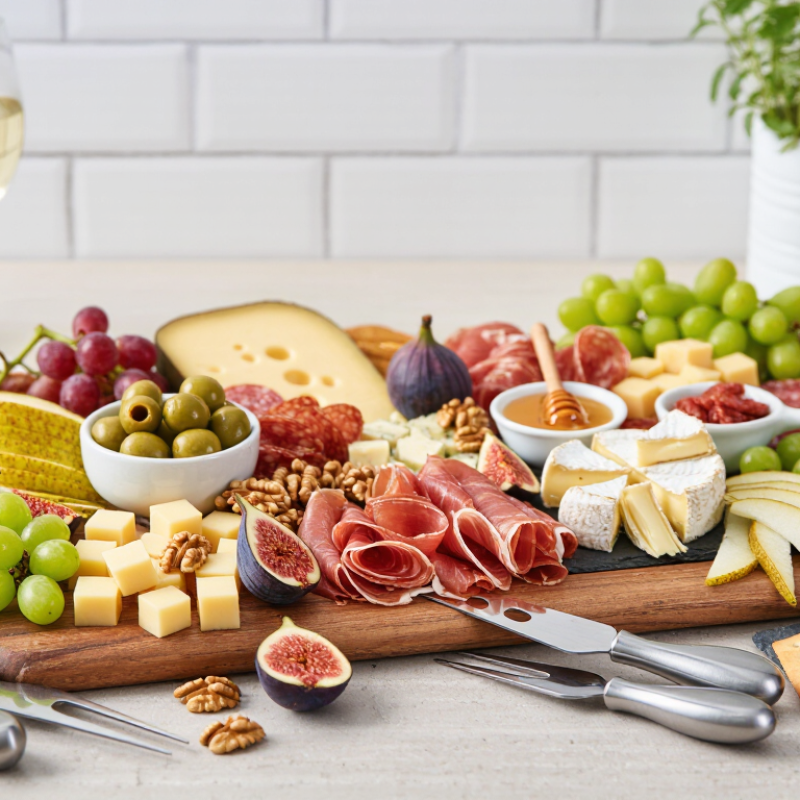
Choosing the right Charcuterie Board Set is less about buying the largest board and more about matching it to how you host. A small walnut board can suit a quiet wine night, while a larger set with separate bowls helps keep olives, honey, and crackers from crowding each other. Marissa Mullen, the cheese-board stylist and author of That Cheese Plate Will Change Your Life, offers a useful principle—paraphrased here, not quoted verbatim: “Build for balance, not abundance.” It’s a practical place to start.

Look closely at the details. Is the board large enough for your usual guest count? Are the knives sturdy and comfortable, and does the set include serving utensils you will actually use? A removable slate insert may help with labeling, while a heavy board can feel awkward to wash or store. Materials matter, too: wood brings warmth, but it needs suitable care; smooth stone can look elegant, though it may be heavy. Small things count.

This guide will compare board materials, sizes, included accessories, upkeep, and value, so you can choose a set that fits your kitchen and entertaining habits. It will also point out where attractive extras may not earn their shelf space. No set is perfect. Consider how you serve food, how often you clean it, and where it will live between gatherings. A sensible choice should make serving easier—not give you another fussy item to maintain.
How to Choose the Best Charcuterie Board Set?

Identify Your Serving Needs and Typical Guest Count

How to Choose the Best Charcuterie Board Set?

Identify Your Serving Needs and Typical Guest Count

Start with the occasion, not the board’s appearance. For a small gathering of four, a compact board with room for sliced cheese, crackers, and a few bowls may be enough. For ten guests, choose a larger surface or plan two boards. A crowded arrangement looks generous, but it makes serving awkward. I still tend to overbuy olives.

Estimate portions based on what else you are serving. As a practical starting point, allow about two ounces of cheese and two ounces of cured meat per person when the board is an appetizer. Increase that amount if it is the main food. Count bowls, knives, and serving space too; a beautiful board is less useful when guests cannot reach the grapes.

Small group? Keep it simple.

Guest count also affects food safety and replenishment. The FDA advises refrigerating perishable foods within two hours, or within one hour when temperatures exceed 90°F. That limit matters for meats and soft cheeses at a warm outdoor gathering. Choose a set that lets you serve smaller portions and refill from chilled food, rather than leaving everything out at once. For a dozen guests, separate boards can reduce crowding and make refills easier.

That detail is easy to miss.

Compare Board Materials, Durability, and Food Safety

A charcuterie board should suit the food you serve and the way you clean up. Hardwoods such as maple feel stable under a knife, but cracks and deep cuts can hold residue. Bamboo is light and firm; its glued layers still need sound construction and careful drying. Plastic is practical for frequent washing, though grooves can become difficult to clean. Slate and marble wipe down easily, but they are heavy and can dull knives. No material fixes poor handling.

Food safety deserves more weight than appearance. The CDC estimates that foodborne illness affects 48 million people in the United States each year, based on its published burden estimates. That figure covers all foods, not charcuterie boards specifically, but it shows why clean surfaces matter. USDA guidance recommends washing boards with hot, soapy water and keeping raw foods separate from ready-to-eat foods. For a serving board, start with a clean, dry surface, and keep perishable meats chilled until serving.

Check the board’s finish and construction before buying. A smooth surface with no loose joints is easier to inspect after serving. Wash it promptly, then dry it upright so moisture does not linger underneath. Deep knife marks are a warning. Replace a board that stays stained, smells sour, or develops cracks; admittedly, those signs can be subjective, so inspect it in good light. A beautiful board is not automatically the safest one.

Assess Included Knives, Utensils, and Other Features

A useful charcuterie set includes tools suited to different textures, not just a row of matching knives. A narrow cheese knife handles soft wedges; a sturdy blade cuts firm cheese, while a small spreader serves jam or mustard. Add a fork or tongs for olives and cured meats. Useful, not decorative. Check that handles feel secure when your hands are damp, and that blades have protective storage. A drawer for scraps sounds convenient, though it adds another part to clean.

Inspect the board’s finish and construction, too. Smooth, nonporous surfaces are easier to wipe, while removable inserts can simplify serving and washing. Avoid crowded designs with deep grooves that trap crumbs or oily residue. The CDC’s 2011 foodborne-illness estimates suggest that roughly 48 million people in the United States become ill from foodborne germs each year. That figure is not specific to serving boards, but it underlines why cleanable tools matter. Choose enough utensils to keep strongly flavored spreads separate from delicate cheeses, and wash them between uses when ingredients change. A set with fewer, well-made pieces may serve better than one full of accessories you rarely touch.

How to Choose the Best Charcuterie Board Set? - Assess Included Knives, Utensils, and Other Features
Set Type Typical Board Knives to Look For Other Useful Utensils Common Extras Best Suited For What to Check Before Buying
Essential serving set One serving board, commonly wood, bamboo, or slate One or two cheese knives, often including a soft-cheese knife or a narrow serving knife Small serving forks may be included Sometimes a groove around the edge Occasional hosting Confirm the number and type of knives; a board alone may not include utensils.
Cheese-focused set Serving board or small platter A spreader, a narrow cheese knife, and a knife with holes or an open blade for softer cheeses may be included Cheese forks or small serving tools May include labels or slate markers Cheese tastings Check that the knife shapes match the cheeses you serve; included tools vary by set.
Entertaining set with compartments Board with built-in sections, a removable tray, or separate small bowls Usually a small selection of cheese knives Serving forks, spreaders, or small spoons may be provided Bowls or sections for dips, olives, nuts, and other accompaniments Mixed snacks Look for removable, easy-to-clean bowls and enough usable board space for sliced items.
Set with hidden utensil storage Board with a drawer, underside compartment, or fitted storage area Often includes several cheese knives or serving tools stored with the board May include forks, spreaders, or a cheese plane Storage keeps tools together when not in use Compact storage Check that the drawer opens smoothly and that every utensil fits securely in its slot.
Large group-serving set Larger board or multi-piece serving arrangement More than one knife can help guests serve different cheeses Multiple forks, spreaders, or tongs may be included May include separate serving dishes Larger gatherings Compare the board’s usable surface area with the storage space available at home.
Decorative slate set Slate serving surface, sometimes paired with a wood base Usually supplied with a small number of cheese knives, if included Chalk or food-safe markers may be included for labeling Slate can be used to write food names when the surface is suitable Labeled presentation Check care instructions and whether markers are intended for food-serving surfaces.

Note: These are common set configurations, not guaranteed contents. Included knives, utensils, materials, and accessories vary; check the product’s itemized contents and care instructions before purchasing.

Choose a Practical Size and Easy-Care Design

A practical charcuterie board set should fit the food you actually serve and the space you have to store it. For two people, a compact board can hold sliced cheese, crackers, fruit, and a small bowl without crowding. For a gathering, look for a larger surface or a set with separate serving pieces. Measure your cupboard before buying; a board that barely fits may become annoying to use. Bigger is not always better.

Choose a design that is easy to clean and comfortable to handle. Smooth, food-safe surfaces are generally simpler to wipe than boards with deep grooves or many small parts. Check whether the set includes utensils that can be stored neatly, and follow the maker’s care instructions, especially for wood. Many wooden boards need hand washing and prompt drying rather than soaking. I once overlooked the storage issue: a bulky board can be lovely on the table and awkward everywhere else. That matters.

Tips: Measure your shelf, consider how many guests you usually serve, and check cleaning instructions before choosing. If you expect frequent use, a simple set may be more practical than one with decorative pieces you rarely reach for.

Balance Appearance, Storage, and Budget

A charcuterie board set should look inviting, but appearance is only one part of the choice. A warm wood grain suits rustic meals, while a smooth slate or light-colored board makes fruit and cheese stand out. Consider the food you usually serve. A small household may need one board and a few knives, not a large set with pieces that rarely leave the cupboard. Looks matter. Check that the board feels stable on the table and has enough room to separate crackers from moist foods. For hygiene, follow the care instructions and clean each piece promptly after use.

Storage can change what feels like the best set. Measure your shelf or drawer before buying, especially if the set includes bowls, handles, or a bulky stand. A compact board that fits upright may get used more often than an impressive, oversized one. Space matters. Budget should cover practical quality, not just extra accessories: look for a sturdy board, secure knife handles, and edges that feel smooth to the touch. A lower-priced set may be perfectly adequate for occasional gatherings, though its finish may show wear sooner. I once underestimated storage and kept a beautiful board behind other kitchen items; it looked good, but rarely made it to the table.

How to Choose the Best Charcuterie Board Set

Compare appearance, storage convenience, and budget-friendliness. Scores are practical guide ratings from 1 (low) to 5 (high), not a market survey.

Compact bamboo sets are easy to store and often budget-friendly. Acacia sets offer a warm wood look, while slate-and-wood sets add visual contrast. Large accessory sets provide more serving options but need more storage space and usually cost more.

Scroll to Top