Top 10 Benefits of Smart Film for Modern Interior Design?
Smart Film is revolutionizing modern interior design, blending functionality with aesthetic appeal. This innovative material is not just a trend; it's reshaping how spaces are perceived and utilized. By manipulating light and privacy, Smart Film adds a layer of sophistication and versatility.
Imagine a room that transforms instantly, adjusting its ambiance with a touch of a button. Smart Film can create privacy in an open space without heavy drapes. It allows natural light to flow while blocking harmful UV rays. Designers appreciate its adaptability, yet not all applications are perfect. Some users may find the technology complex or the installation process challenging.
The benefits of Smart Film extend beyond style. It contributes to energy efficiency, helping to regulate temperatures. Moreover, it is a sleek alternative to traditional window treatments. However, potential downsides exist. The cost can be higher compared to conventional films. Balancing expenses with long-term benefits requires careful consideration. Smart Film ushers in a new era for interior design, merging modern technology with everyday functionality.
Advantages of Smart Film in Enhancing Natural Light Control
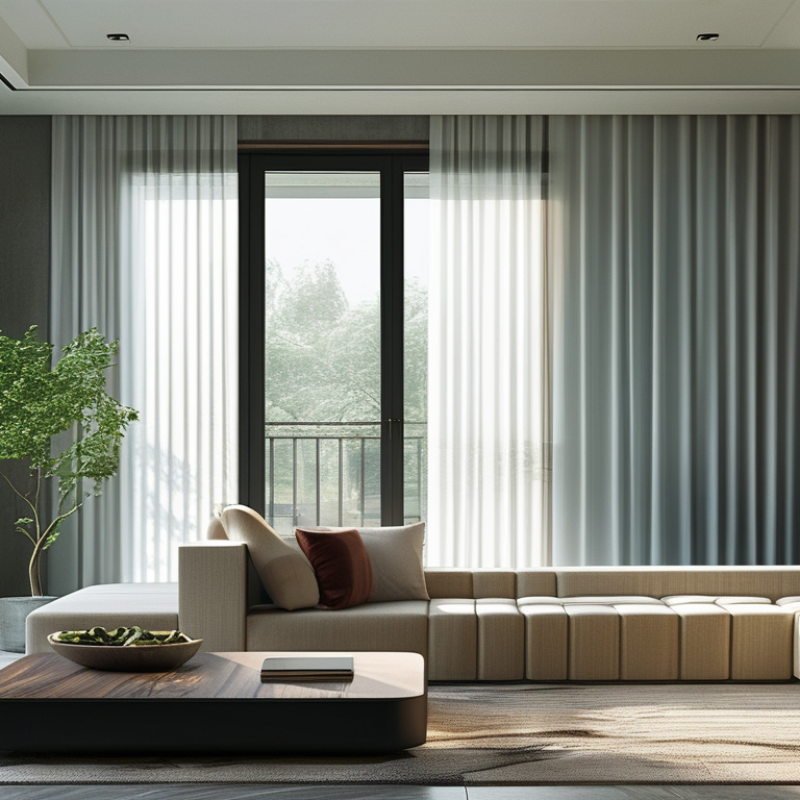
Smart film is transforming how we think about natural light in interior spaces. Traditional windows can create glare and allow for heat loss. In contrast, smart film effectively controls light levels. It can transition from opaque to transparent with a simple touch or timer. This enhances the ambiance of rooms and offers flexibility.
Using smart film allows homeowners to regulate light based on time of day. During bright afternoons, it can shield against harsh sun rays. In the evenings, it can open up to let in warmth and views. It aids in maintaining comfortable indoor temperatures, reducing energy costs. However, some installations may require adjustments. Not all windows are suitable for smart film application.
Another aspect worth considering is maintenance. Smart film is durable, yet improper handling can lead to issues. Some users experience difficulties with installation or longevity. Understanding its limitations is crucial for anyone interested in this technology. A well-executed integration into interior design can make a significant difference. But, as with all innovations, reflection on both benefits and challenges is essential.
Impact of Smart Film on Privacy Enhancements in Interior Spaces
Smart film is revolutionizing privacy in modern interior design. This innovative material can switch from transparent to opaque with a simple touch or remote control. The effect is both immediate and striking. Imagine a serene conference room that transforms into a private space at a moment's notice. This adaptability enhances both functionality and aesthetics in interiors.
Privacy is crucial in various settings. Workspaces often require confidentiality for discussions. Smart film provides this, while still allowing natural light to illuminate the area. Homeowners can enjoy the same benefits, especially in urban environments where close neighbors can be a concern.
Yet, there are challenges. Implementing smart film can be more expensive than traditional curtains or blinds. The technology also requires a power source, which might complicate installation. While the benefits are substantial, one must carefully consider these factors before making a decision. The balance between modernity and practical application is vital.
Energy Efficiency Benefits of Smart Film for Modern Interiors
Smart film is revolutionizing modern interiors, particularly through its energy efficiency benefits. This innovative material can control heat and light entry into a space. By selectively filtering the sunlight, it reduces the need for air conditioning during hot weather. As a result, energy costs can significantly decrease, leading to lower utility bills.
The technology behind smart film allows instant adjustments. Homeowners can switch from transparent to opaque with a simple command. This feature not only enhances privacy but also optimizes heating. In winter, the film can retain warmth, thus adding to energy savings. However, it’s essential to consider installation costs, which might be a barrier for some.
Smart film also aids in reducing glare from direct sunlight. This is beneficial in spaces with large windows. Employees and residents feel more comfortable, increasing productivity and well-being. Yet, it’s crucial to keep in mind maintenance and potential degradation over time. Regular checks can ensure long-term efficiency. Overall, the benefits of smart film are significant, balancing comfort and functionality in modern interior design.
Aesthetic Versatility: Design Options with Smart Film Applications
Smart film offers a unique approach to modern interior design, enhancing aesthetic versatility in various ways. This innovative material can switch from transparent to opaque with just the click of a button. Designers appreciate its adaptability, allowing for seamless transitions between open and private spaces. Homes, offices, and retail environments can use smart film to create mood and function.
Custom patterns and colors can be added to smart film, enabling a diverse range of design options. It can serve as a projection screen, bridging design with technology. This feature transforms a plain wall into a work of art or an information hub. However, achieving the perfect balance between functionality and style may require multiple iterations. Designers must reflect on how smart film integrates with existing decor and user needs.
Smart film can be an excellent choice for large windows, providing energy efficiency while maintaining a minimalist look. Yet, when used excessively, it can make a space feel cold or impersonal. Finding the right application is crucial. Designers should continuously evaluate the impact of smart film on the overall ambiance and usage of space.
Integration of Smart Film Technology in Smart Home Systems
The integration of smart film technology into modern smart home systems is revolutionizing interior design. Smart film can switch from transparent to opaque with the press of a button, allowing homeowners to control privacy and light. According to a recent report by MarketsandMarkets, the smart glass market is projected to reach $3.2 billion by 2025, highlighting the growing interest in this technology.
Home automation systems increasingly utilize smart film to enhance user experience. For instance, privacy settings can be adjusted depending on the time of day or activity, allowing for both open and closed spaces at a touch. This adaptability supports the concept of multifunctional spaces in urban living, where every square foot counts. However, challenges remain. Installation can be costly, and retrofitting existing windows with smart film technology often requires professional help.
Additionally, while smart film offers energy efficiency benefits, it is crucial to assess the long-term value. Some users may find that the initial investment doesn't always translate into significant savings. The aesthetic appeal is undeniable, but usability will vary based on individual preferences and home layouts. Maintaining a balance between high-tech features and practical needs is vital in this evolving sector.
Top 10 Benefits of Smart Film for Modern Interior Design
| Benefit | Description | Impact on Interior Design |
| Privacy Control | Smart film can transition from transparent to opaque, providing privacy when needed. | Enhances the versatility of spaces, allowing for dynamic transitions between privacy and openness. |
| Energy Efficiency | Smart film can reduce heat and glare, decreasing energy costs for cooling. | Promotes sustainable design practices and reduces reliance on HVAC systems. |
| Aesthetic Appeal | Offers a sleek, modern look to interior spaces. | Enhances the overall visual appeal of a room or building. |
| Smart Integration | Easily integrates with smart home systems for convenient control. | Facilitates modern living by allowing automation and remote management. |
| UV Protection | Blocks harmful UV rays, protecting furniture and flooring from fading. | Extends the lifespan of interior furnishings. |
| Sound Control | Can help reduce noise transmission between spaces. | Contributes to a quieter and more serene indoor environment. |
| Flexible Design Options | Can be applied to a variety of surfaces including glass and acrylic. | Allows for creative freedom in interior design. |
| Cost-Effective | Reduces the need for traditional blinds and curtains. | Offers a long-term saving on furnishings and maintenance. |
| Innovative Technology | Utilizes the latest in smart technology for enhanced functionality. | Positions spaces as modern and cutting-edge. |
| Quick Installation | Can be applied quickly compared to traditional window treatments. | Minimizes disruption during renovations or new installations. |