
-
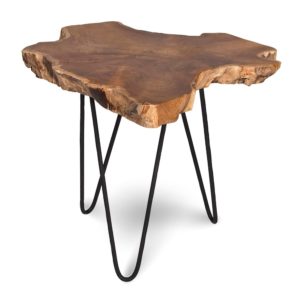
Style In Form Nesting Table Hairpin
Original price was: $429.00.$349.00Current price is: $349.00. -
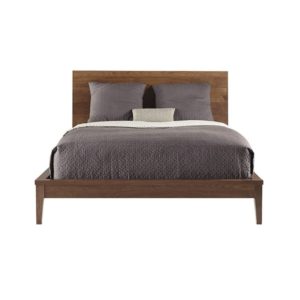
West Bros Serra King Walnut Bed
Original price was: $3,499.00.$2,799.00Current price is: $2,799.00. -
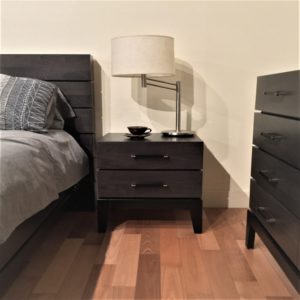
TH Definity Walnut Night Table
Original price was: $1,499.00.$1,199.00Current price is: $1,199.00. -
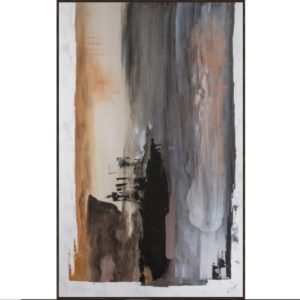
Ren-Wil Tupper Picture
Original price was: $549.00.$399.00Current price is: $399.00. -
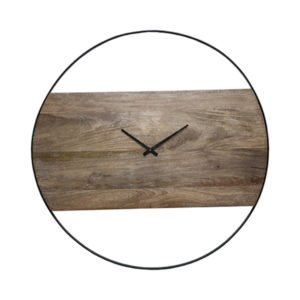
Renwil Amika Clock
Original price was: $619.00.$489.00Current price is: $489.00. -
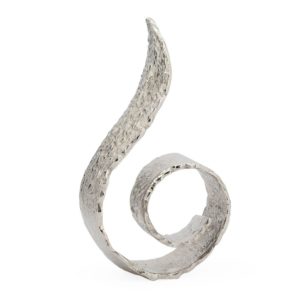
Torre & Tagus Flame Sculpture
Original price was: $159.00.$119.00Current price is: $119.00. -
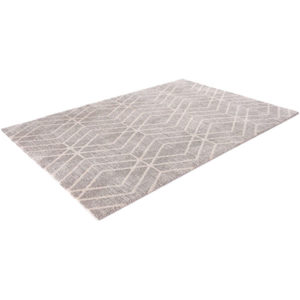
Citak 5X8 Rug Arctic Thatch
Original price was: $599.00.$449.00Current price is: $449.00.
Top 10 Types of Zebra Window Blinds for Global Buyers
Choosing the right Zebra Window Blinds can change how a room feels, functions, and performs throughout the day. These dual-layer shades combine translucent fabric with solid bands, allowing buyers to adjust daylight and privacy with practical precision. However, designs differ widely in fabric density, control systems, measurements, and installation methods.
This guide examines ten types of Zebra Window Blinds for global buyers. It considers roller-style models, blackout versions, sunscreen fabrics, cordless designs, motorized systems, and moisture-resistant options. Each type serves a different need. A bedroom may require stronger light blocking, while an office may benefit from softer glare control. A humid coastal home needs materials that resist moisture and warping. Not every supplier offers the same quality.
Real-world evaluation matters.
The selection process should include fabric testing, operating-cycle checks, and careful measurement of window recesses. Buyers should also review product specifications, warranty terms, safety information, and after-sales support. Reliable manufacturers usually provide clear technical details, consistent samples, and installation guidance. Local building requirements and electrical standards may also affect motorized products, so professional verification is sensible.
This overview is designed to support informed purchasing rather than promote one universal solution. Some recommendations may change with climate, budget, room orientation, or personal preferences. Even experienced buyers can overlook small details, such as chain placement or fabric color under evening lighting. That is worth reconsidering. By comparing construction, usability, appearance, and long-term maintenance, global customers can identify Zebra Window Blinds that fit their spaces with greater confidence.
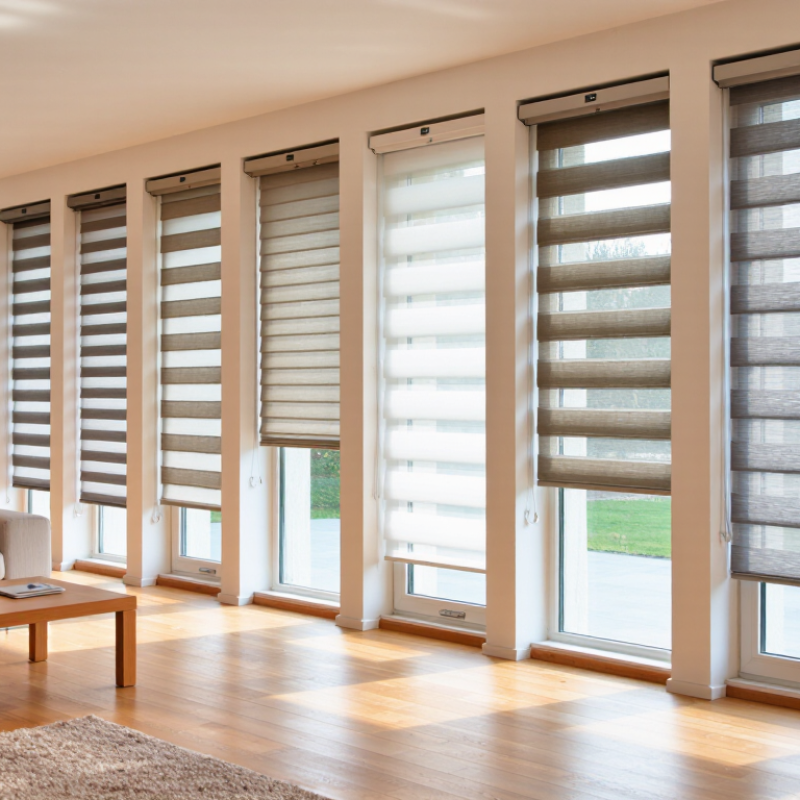
Define Zebra Blinds by Dual-Layer Design and 1%, 3%, or 5% Openness
Zebra blinds use two fabric layers with alternating solid and mesh bands. As the layers move, the bands align or overlap. This changes light, privacy, and the view without fully raising the shade. The dual-layer design also creates a soft striped appearance at the window. It feels practical, not merely decorative.
The 1% openness option has tighter mesh and sharper glare control. It suits bright bedrooms, media rooms, and windows facing intense afternoon sun. However, it can make a room feel darker than expected. A 3% openness fabric offers a balanced middle ground. It filters daylight, protects visual comfort, and keeps a modest outdoor connection. This is often useful in living rooms and home offices.
A 5% openness fabric admits more daylight and preserves a clearer view. It works well on shaded windows or spaces needing a brighter atmosphere. Openness ratings describe the mesh area, not the exact sunlight entering every room. Wall color, glass type, window direction, and nearby buildings also matter. Measurements should be checked carefully.
Small details affect daily use. A tight side fit can reduce edge light, while correct installation keeps the stripes aligned. In my experience, buyers sometimes choose 1% openness for every window. That decision can feel too heavy in low-light rooms. A room-by-room assessment is wiser, though not always convenient. Tested fabric samples provide more reliable judgment than online images alone.
Top 10 Types of Zebra Window Blinds for Global Buyers - Define Zebra Blinds by Dual-Layer Design and 1%, 3%, or 5% Openness
| No. | Zebra Blind Type | Dual-Layer Construction | Typical Openness | Light and Privacy Performance | Suitable Applications | Global Buyer Considerations |
|---|---|---|---|---|---|---|
| 1 | Standard Light-Filtering Zebra Blind | Alternating translucent and opaque horizontal fabric bands roll through one another to adjust the amount of incoming light. | 3%–5% | Balances daylight and daytime privacy; opaque bands provide greater privacy when aligned. | Living rooms, bedrooms, dining areas, and general residential windows. | A versatile specification for markets seeking one product for common residential projects. |
| 2 | 1% Openness Solar Zebra Blind | A dual-layer striped screen fabric uses tightly woven transparent sections with opaque sections for precise light modulation. | Approximately 1% | Strong glare reduction and high daytime privacy while retaining limited filtered daylight. | South- or west-facing rooms, offices with monitors, media rooms, and bright climates. | Useful where solar heat and screen glare are important; darker colors generally improve glare control. |
| 3 | 3% Openness Light-Control Zebra Blind | Two layers of alternating solid and semi-transparent bands provide a middle level of solar filtering. | Approximately 3% | Moderate glare control, softened daylight, and improved daytime privacy when the bands overlap. | Bedrooms, home offices, apartments, and mixed-use spaces. | A practical compromise between outward light, privacy, and visual comfort across varied climates. |
| 4 | 5% Openness Privacy-Filtering Zebra Blind | A looser transparent stripe arrangement is combined with opaque bands in a two-layer roller configuration. | Approximately 5% | Higher daylight transmission and a more open visual feel; less glare and privacy control than 1% or 3% fabrics. | North-facing windows, shaded façades, kitchens, and low-light interiors. | Suitable for buyers prioritizing daylight and a brighter interior over maximum privacy. |
| 5 | Room-Darkening Zebra Blind | Denser dual-layer fabric and closely aligned opaque bands reduce light penetration; the blind is not automatically blackout. | Usually below 1% or opaque stripe sections | Substantially reduces daylight and glare, but side gaps may still allow light into the room. | Bedrooms, nurseries, guest rooms, and presentation spaces. | Specify side-channel systems or outside mounting when stronger edge light control is required. |
| 6 | Textured or Linen-Look Zebra Blind | The dual-layer band system is produced with a visible woven texture or linen-like surface for added visual depth. | Commonly 3%–5% | Provides diffused daylight and decorative privacy; performance depends on the density of the transparent bands. | Hotels, residences, dining rooms, and interior-design projects. | Confirm fabric composition, cleaning instructions, color consistency, and sample approval before bulk production. |
| 7 | Moisture-Resistant Zebra Blind | A dual-layer polyester-based or coated fabric construction is selected for improved resistance to routine humidity and splashes. | Typically 3%–5% | Maintains adjustable daylight and privacy; it is generally not intended for direct outdoor exposure or continuous soaking. | Kitchens, bathrooms with suitable ventilation, laundry areas, and humid regions. | Check care instructions, mildew resistance claims, and local safety requirements rather than relying only on the product name. |
| 8 | Wide-Window Zebra Blind | Uses wider fabric widths or multiple coordinated shades, while each shade retains the standard alternating dual-layer design. | 1%, 3%, or 5% | Light and privacy control are determined by the selected fabric; separate shades allow flexible positioning across a large opening. | Sliding doors, curtain walls, large living-room windows, and commercial glazing. | Verify maximum manufacturing width, tube strength, fabric alignment, transport packaging, and installation access. |
| 9 | Motorized Zebra Blind | The dual-layer fabric is operated by a tubular motor or other electric drive that rotates the roller to align the stripes. | 1%, 3%, or 5% | Provides the same fabric-based light control with convenient adjustment, scheduling, and group operation where supported. | Hard-to-reach windows, offices, hotels, smart homes, and multi-window installations. | Confirm voltage, charging or wiring method, control protocol, battery capacity, noise level, and regional electrical compliance. |
| 10 | Child-Safe Cordless Zebra Blind | The alternating dual-layer shade uses a spring-assisted, chain-free, or controlled-lift mechanism to reduce accessible operating cords. | Commonly 3%–5%; 1% available in some specifications | Offers adjustable daylight and privacy while reducing cord-related hazards when correctly installed and maintained. | Children’s rooms, family homes, schools, healthcare facilities, and hospitality projects. | Review applicable child-safety standards, operating-force limits, warning labels, and installation instructions for the destination market. |