
-
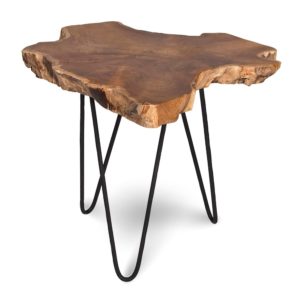
Style In Form Nesting Table Hairpin
Original price was: $429.00.$349.00Current price is: $349.00. -
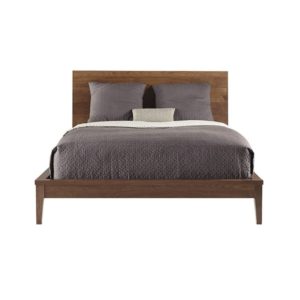
West Bros Serra King Walnut Bed
Original price was: $3,499.00.$2,799.00Current price is: $2,799.00. -
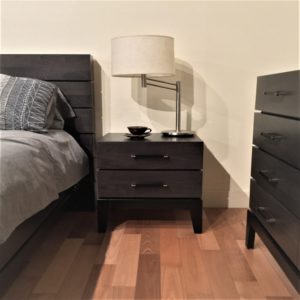
TH Definity Walnut Night Table
Original price was: $1,499.00.$1,199.00Current price is: $1,199.00. -
Ren-Wil Tupper Picture
Original price was: $549.00.$399.00Current price is: $399.00. -
Renwil Amika Clock
Original price was: $619.00.$489.00Current price is: $489.00. -
Torre & Tagus Flame Sculpture
Original price was: $159.00.$119.00Current price is: $119.00. -
Citak 5X8 Rug Arctic Thatch
Original price was: $599.00.$449.00Current price is: $449.00.

What Is Comfortable Living Room Furniture?
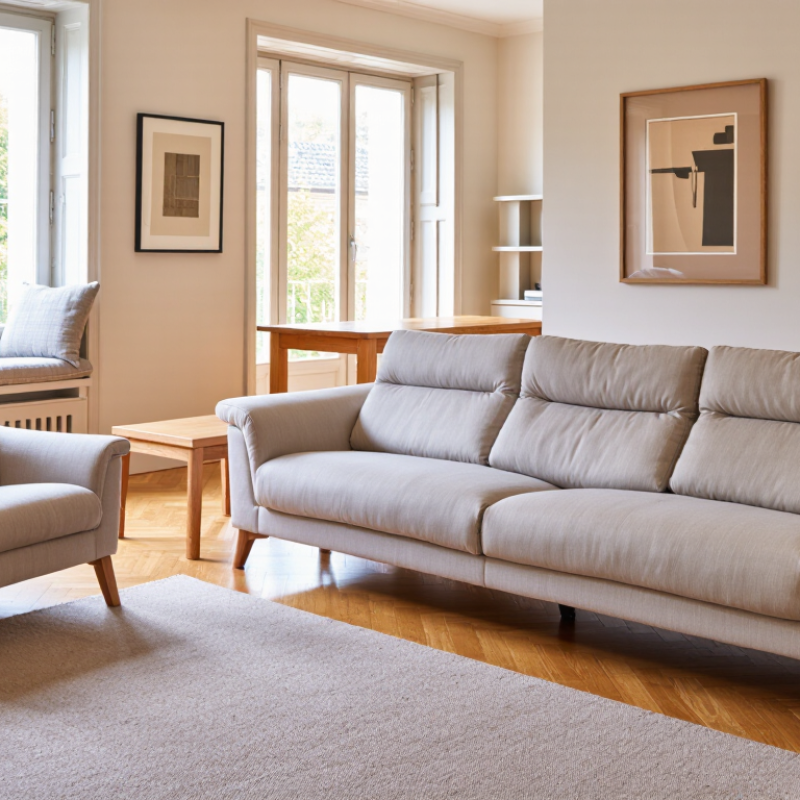
Comfortable Living Room Furniture is not defined by a soft appearance alone. It should support your body, suit your routines, and help the room feel naturally welcoming. A well-designed sofa keeps your feet near the floor and your lower back supported. Its seat should feel stable, not like sinking into loose cushions. Firmness, seat depth, fabric texture, and arm height all influence daily comfort. Small details matter.
Experience often reveals what product descriptions miss. Sit on a sofa for several minutes before buying it. Notice whether your shoulders relax or your knees feel awkwardly raised. Test the cushions after standing and sitting repeatedly. In a busy home, stain-resistant upholstery and removable covers can make comfort easier to maintain. A deep sectional may feel luxurious, yet it can overwhelm a narrow room. A compact lounge chair may offer better support for reading. Measurements should include walking space, doorways, and table clearance.
There is no universal answer. Comfort depends on height, posture, mobility, climate, and personal habits. Even attractive furniture can disappoint after weeks of use. That possibility deserves honest attention. Reliable choices come from checking construction, reviewing material information, and comparing return policies. Look for strong frames, durable joinery, supportive cushions, and breathable fabrics. Comfort should last beyond the showroom moment. The best living room arrangement balances physical support, visual calm, and practical use without forcing every person into the same design.
Definition and Core Features of Comfortable Living Room Furniture
Comfortable Living Room Furniture: Definition and Core Features
Comfortable living room furniture supports the body, movement, and daily routines without demanding constant adjustment. It is not simply soft furniture. A comfortable sofa should keep the hips slightly higher than the knees, support the lower back, and allow both feet to rest on the floor. A seat depth around 51–61 centimeters often suits many adults, but body size still matters. Comfort is personal, not perfectly standardized.
The 2024 ASID Trends Outlook highlights wellness and adaptable spaces as important residential design priorities. This supports a wider industry shift toward furniture that serves reading, conversation, rest, and remote work. The 2024 Global Wellness Economy Monitor also valued the global wellness economy at 6.3 trillion dollars in 2023. That figure does not measure sofas directly, but it shows growing attention to healthier everyday environments. Practical details matter: breathable upholstery, firm edge support, quiet reclining mechanisms, and rounded corners can improve repeated use. A low table should remain reachable without forcing the shoulders forward.
Materials deserve careful inspection. The Furniture Industry Research Association advises evaluating durability, safety, and performance through testing rather than appearance alone. Still, no report can predict every user’s comfort. A showroom chair may feel excellent for ten minutes and tiring after two hours. That gap deserves more honest testing. Sit naturally, change positions, and notice pressure behind the knees. A beautiful sofa can remain uncomfortable.
What Is Comfortable Living Room Furniture? — Definition and Core Features
| Comfort Dimension | Practical Benchmark | Why It Supports Comfort | How to Evaluate It |
|---|---|---|---|
| Seat Height | Approximately 17–19 inches (43–48 cm) from the floor to the top of the seat cushion | A moderate seat height makes it easier for most adults to sit down and stand up without excessive knee or hip strain. | Sit with both feet flat on the floor and check whether the knees are level with, or slightly below, the hips. |
| Seat Depth | Approximately 20–24 inches (51–61 cm), adjusted for the user’s leg length | A suitable depth supports the thighs while allowing the lower back to remain supported instead of forcing the user to lean forward. | When sitting fully back, leave roughly 2–4 inches (5–10 cm) between the seat edge and the back of the knees. |
| Seat Firmness | Medium to medium-firm support with controlled compression | A cushion should provide pressure relief without allowing the body to sink so deeply that standing or changing position becomes difficult. | Sit for several minutes and check that the cushion recovers its shape and does not create concentrated pressure points. |
| Back Support | A supportive back angle of about 100–110 degrees for relaxed sitting | A slightly reclined posture can reduce unnecessary tension in the lower back while maintaining a stable seating position. | Check that the lumbar area is supported and that the head and shoulders do not need to lean forward. |
| Armrest Height | Armrests should allow the elbows to rest near a natural bend of about 90–110 degrees | Proper arm support helps relax the shoulders and reduces strain in the neck, upper back, and arms. | Rest the arms gently without lifting the shoulders or leaning sideways to reach the armrests. |
| Cushion Resilience | Cushions should regain their shape after use and maintain even support across the seat | Resilient cushioning helps prevent permanent sagging and preserves comfort over repeated daily use. | Press the cushion, stand up, and observe whether it returns evenly without visible hollows or uneven edges. |
| Upholstery Breathability | A surface that allows heat and moisture to dissipate during extended sitting | Breathable upholstery feels less sticky and helps maintain a more consistent temperature during warm conditions. | Consider the fabric structure, surface texture, ventilation, and whether the material feels excessively warm after sitting. |
| Surface Texture | Soft enough for direct contact, but sufficiently durable for regular household use | A balanced texture improves tactile comfort while reducing irritation, snagging, and premature surface wear. | Run a hand across the upholstery and inspect seams, edges, and high-contact areas for roughness or loose fibers. |
| Frame Stability | The frame should remain level and quiet with no noticeable rocking or creaking during normal use | A stable structure improves confidence, reduces vibration, and helps the furniture retain its shape over time. | Apply light pressure to different corners and sit down normally to check for movement, noise, or twisting. |
| Supportive Proportions | The seat, back, and armrests should match the intended user’s body size and sitting style | Furniture that fits the user reduces awkward posture and makes relaxed sitting possible for longer periods. | Test the furniture in the posture it will be used for, such as conversation, reading, television viewing, or napping. |
| Recline and Movement | Smooth, controlled movement with secure locking or stable positioning where applicable | Easy movement allows users to change posture and distribute pressure instead of remaining fixed in one position. | Operate the mechanism several times and check that it moves smoothly without sudden drops, excessive force, or instability. |
| Ease of Maintenance | Removable or cleanable covers, accessible seams, and materials suited to the household’s use level | Furniture that is easy to maintain can remain hygienic, attractive, and comfortable for a longer service period. | Review cleaning instructions and check whether high-contact areas can be cleaned without damaging the upholstery. |
| Room-Scale Compatibility | Adequate circulation space around the furniture, commonly about 30–36 inches (76–91 cm) for main walkways | Comfort depends not only on the furniture itself but also on whether people can move, sit, and stand without obstruction. | Measure the room, doorways, and walking paths before purchase, including the furniture’s full depth when reclined. |
Comfort is personal: body size, preferred posture, mobility, climate, and intended use should be considered alongside these general benchmarks.
Related Posts
-
Top Comfortable Living Room Furniture for Global Buyers
-

5 Key Trends Driving the Global Living Room Furniture Market Growth
-
10 Tips for Choosing Stylish Home Furniture That Transforms Your Space?
-

How to Choose the Top Furniture for Your Home Style?
-

What is Best Decor Furniture? Exploring Trends and Data for Global Buyers in 2023
-
How to Choose Quality Furniture That Lasts: Insights from Industry Experts on Durability and Design